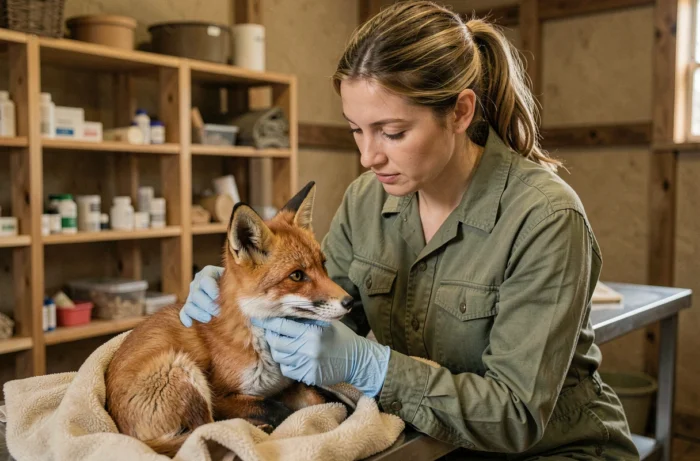
The animal news of recent weeks is marked by warning signals regarding both wild and domestic wildlife. Overcrowded shelters, distressed wild animals after heat waves, rescue operations on several continents: the news from the animal world reveals both the extent of the threats and the diversity of responses being implemented.
Overcrowded shelters and rising abandonments: the summer crisis for domestic animals
The SPA has recorded an increase in animal care compared to the previous summer. French shelters are facing a growing saturation of their capacity, particularly for cats and dogs.
In response to this pressure, the SPA is calling for two concrete measures: a strengthening of mandatory sterilization and stricter regulation of animal sales. These two levers aim to reduce the flow of animals entering shelters, rather than focusing solely on adoption out.
This phenomenon is not new, but its intensification poses a structural problem. Organizations have limited human and financial resources, and each summer peak exacerbates the situation for the following months. Volunteers who follow the news about Actu Animaux note that this mobilization remains necessary year-round, well beyond the summer period.
Heatwave and wildlife in France: care centers under pressure
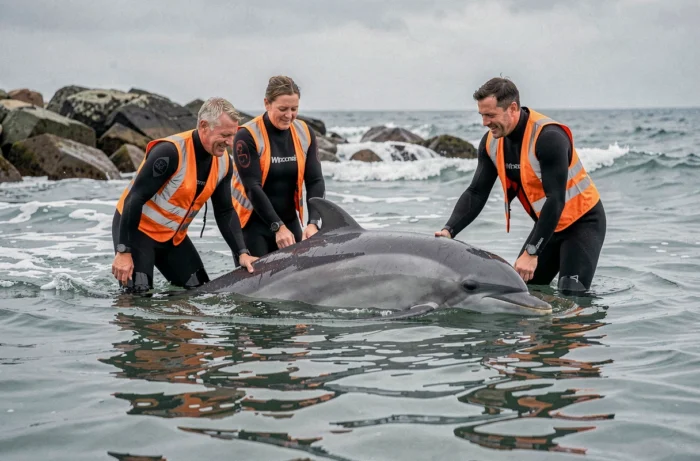
Heat and drought episodes have direct consequences on wildlife in distress. In France, care centers have reported an exceptional influx of animals weakened by the scarcity of food and water resources.
The phenomenon affects the entire food chain. Insects, which are a staple for many birds, become scarce during prolonged droughts. Birds of prey, hedgehogs, and small mammals arrive at care centers emaciated, dehydrated, and sometimes unable to move.
In the UK, a center in Shropshire observed a similar trend after a very hot summer: birds of prey too emaciated to fly. This parallel shows that thermal stress on wildlife far exceeds French borders.
What care centers handle
- Birds (birds of prey, songbirds) suffering from dehydration and severe weight loss, unable to hunt or migrate
- Terrestrial mammals (hedgehogs, mustelids) weakened by a lack of water and food in their natural habitat
- Young animals prematurely separated from their parents, found in urban or suburban areas
Caring for these wild animals mobilizes specialized veterinarians and trained caregivers. The cost per treated animal remains high, and facilities often operate thanks to donations.
Rescues of endangered species in Indonesia: beyond orangutans
The fires that regularly strike Indonesia lead to rescue operations targeting several species, not just orangutans. Teams have taken charge of Sunda pangolins, long-tailed macaques, and orangutans in Borneo.
Some animals have been relocated to protected areas. Others still require prolonged care before they can be released. The logistics of these operations are complex: it is necessary to identify endangered animals, capture them without causing further harm, and then find viable habitats for them.
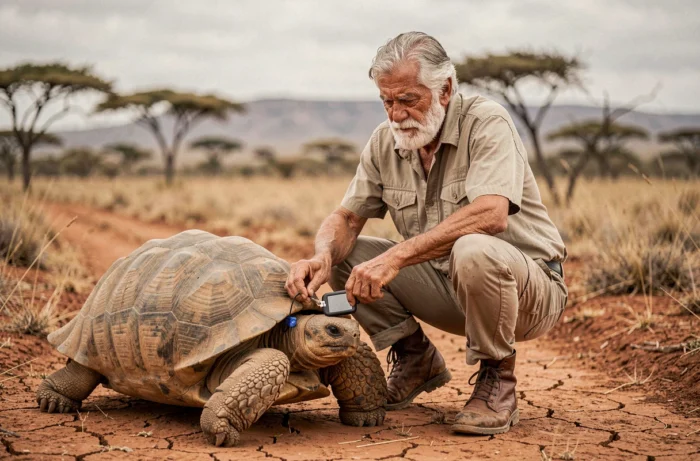
The Sunda pangolin, classified as critically endangered, is one of the most trafficked mammals in the world. Each individual saved from the flames represents a direct conservation stake. These one-off rescues do not replace habitat protection, but they help maintain fragile populations.
Wildlife trafficking and animal importation: the debate on traceability
Twenty-seven conservation organizations have called for a permanent suspension of wildlife imports to certain large private zoos. The debate focuses on the traceability of imported animals and the priority given to conservation in the countries of origin.
The central argument of these organizations: conservation efforts yield better results when conducted on-site, in the natural habitat of the species concerned. Importing wild animals into private facilities, even well-equipped ones, does not always contribute to the species’ survival in its environment.
Points of friction in this debate
- The difference between accredited zoos participating in breeding programs and private facilities without a conservation mandate
- The lack of a binding international framework on post-import traceability of wild animals
- The funding of local conservation, often insufficient without financial support from foreign hosting facilities
This topic illustrates a recurring tension in the animal world: protecting a species first requires preserving its habitat. International transfers, even motivated by good intentions, raise ethical and practical questions that remain open.
Civic mobilization and crowdfunding for animal causes
Crowdfunding now complements traditional donation channels. Organizations that regularly communicate about their rescue and care actions receive more consistent support than those that limit themselves to occasional appeals.
The animal news this autumn confirms that challenges are multiplying, from domestic shelters to tropical habitats. Sterilization, funding for care centers, and protection of natural habitats remain the three areas where every action produces measurable effects on the ground.