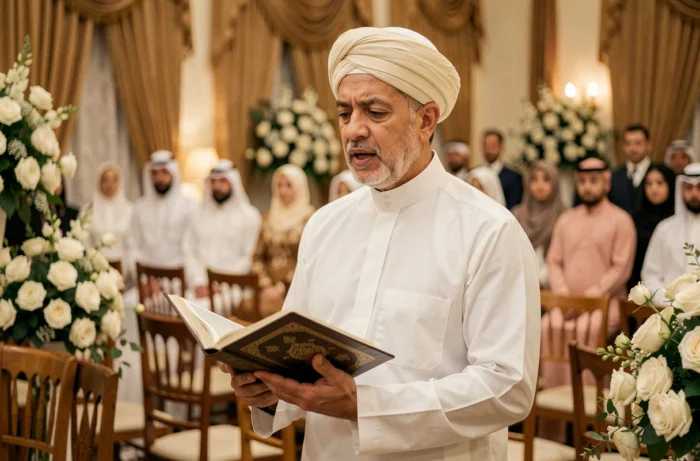
When preparing for a Muslim religious wedding, the question of the imam’s fee often arises late in the planning process. The nikah (or hlel) follows specific rules, and the officiant’s compensation is subject to a particular arrangement in France. Understanding this mechanism avoids misunderstandings on the big day.
Donation to the mosque or direct payment: how the imam’s remuneration works
Contrary to what many believe, the imam generally does not receive cash directly to officiate a nikah. In most mosques in France, the remuneration takes the form of a donation to the religious association that manages the place of worship.
Specifically, the engaged couple donates an amount to the mosque. The mosque can then issue a tax receipt, similar to what Catholic parishes do for donations from their congregants. This system allows the mosque to fund its activities without having to pay the imam for each individual ceremony.
The amount requested varies from one mosque to another. Some set a minimum fee, while others allow the couple to give according to their means. Hiring an imam for a Muslim religious wedding outside of a mosque (at home or in a reception hall) often involves a different cost, as the officiant travels and dedicates time outside of their usual setting.
Why this distinction between donation and payment? It relates to the legal status of religious associations in France, governed by the 1905 law. The imam is rarely a service provider in the commercial sense.
Civil marriage required before the nikah: a constraint that impacts planning
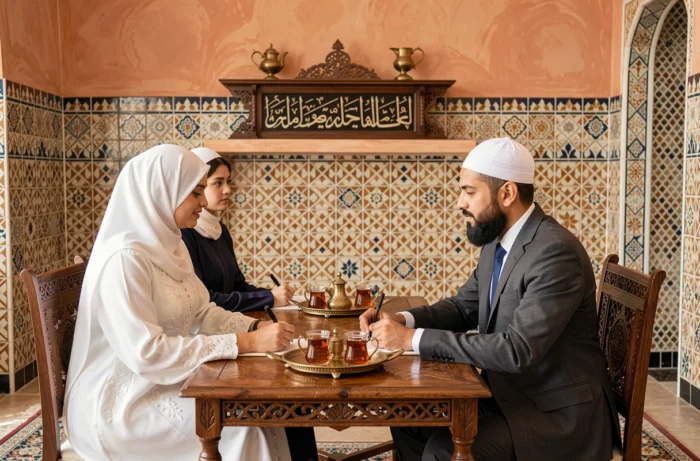
Many couples are unaware of this when contacting an imam. Article 433-21 of the Penal Code prohibits any minister of religion from officiating a religious marriage before the civil marriage at the town hall. An imam who does so would face criminal penalties, including fines and imprisonment.
In practice, this rule shapes the wedding timeline. Mosques systematically request a copy of the civil marriage certificate before setting the date for the nikah. If you plan a quick hlel, you must first complete the administrative procedures at the town hall, which can take several weeks.
This legal obligation also explains why some imams refuse to travel for ceremonies held outside the mosque without prior assurance of the civil marriage. It is not a matter of price, but of legal compliance.
Overall budget for a Muslim religious wedding: key expenses not to forget
The cost of the imam represents only a fraction of the total budget for a hlel. Several expenses add up, and their weight varies depending on the style of ceremony chosen.
The dowry (mahr) paid to the bride
The dowry is a religious obligation in Muslim marriage. It belongs exclusively to the bride, not her family. Its amount is negotiated between the engaged couple before the ceremony. The mahr can be symbolic or represent a substantial sum, depending on family traditions and the couple’s means.
Concrete expenses on the day of the ceremony
- The donation to the mosque or the remuneration of the officiating imam (variable depending on the location and format of the ceremony)
- The rental of a hall if the nikah does not take place at the mosque, sometimes with specific decoration costs
- The meal for the walima (reception after the wedding), which often constitutes the heaviest item in the budget
- The traditional outfits of the couple, including the bride’s dress and accessories (henna, jewelry)
The walima, the banquet offered to guests, absorbs the largest portion of the budget. Between food, drinks (non-alcoholic), the venue, and entertainment, this item far exceeds the cost of the religious officiant.
Negotiating the imam’s fee: what actually happens
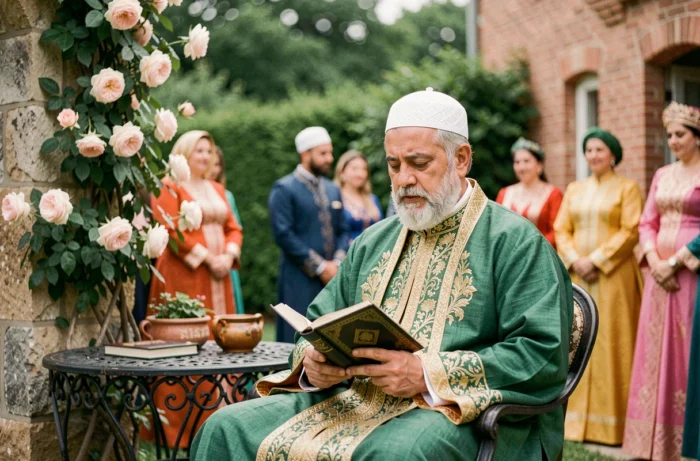
The word “negotiate” may seem out of place in a religious context. The discussion is less about a price than about mutual expectations. Here’s what couples gain by clarifying in advance.
- The location of the ceremony: a nikah at the mosque costs less than an imam traveling to a private hall or home
- The duration and content of the ceremony: some imams offer a personalized sermon, while others stick to reading the contract and invocations
- The presence of two witnesses (mandatory in the nikah) and the bride’s guardian (wali), which do not incur additional costs but condition the validity of the union
If you hire an independent imam, they set their own conditions. The fee then includes their travel, preparation, and ceremony time. Comparing the practices of several mosques or officiants remains the best way to gain clarity.
Should you plan a gift in addition to the donation?
In some communities, giving a gift to the imam in addition to the donation to the mosque is customary. This gesture is not obligatory from a religious standpoint. The donation to the religious association is sufficient in most cases.
What mosques expect from engaged couples
Before discussing the budget, mosques check several points. Both spouses must be Muslim (or the bride must be Christian or Jewish, depending on interpretations). The free consent of both parties is obtained in front of witnesses. And the civil marriage must already be recorded.
Preparing these documents in advance speeds up the appointment process and avoids back-and-forth. Some mosques also require a preliminary meeting with the imam to discuss the couple’s commitments.
The budget allocated to the imam and the religious ceremony remains modest compared to the total cost of a Muslim wedding. The walima, outfits, and reception venue weigh much more. Keeping this scale in mind allows for better distribution of expenses without unpleasant surprises.